
2026-07-24
Case: 316L, 2205 and super duplex 2507 tube for offshore platform process piping
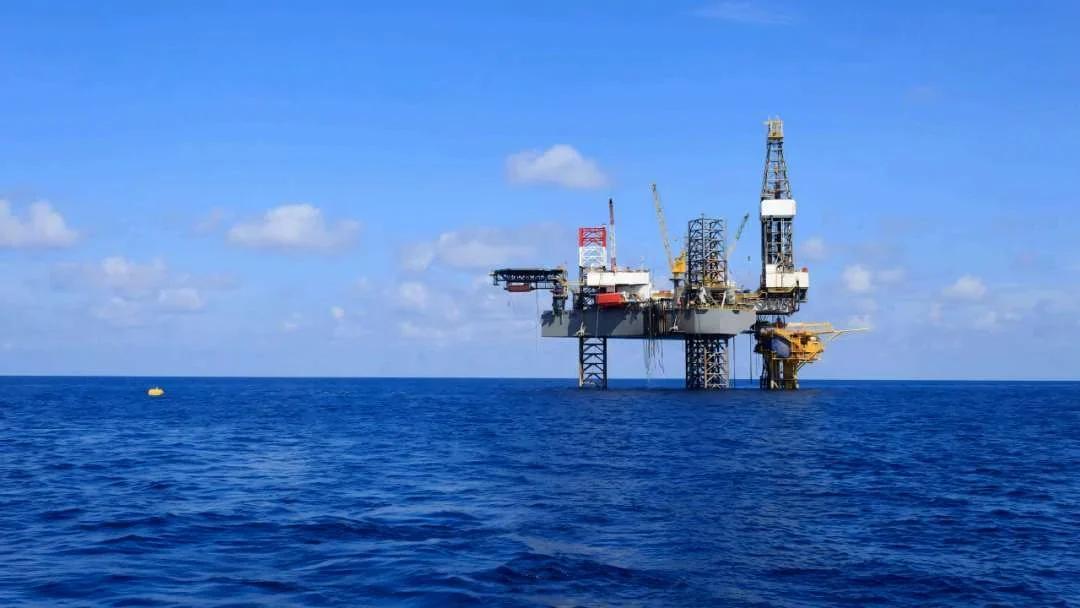
The scope was one node of an offshore platform's oil and gas processing system: high-pressure piping and the core heat-exchanger tube bundle, both in direct contact with produced fluid carrying high chloride and hydrogen sulphide, which put pressure containment and corrosion resistance on the critical path.
| Location | Grade | Why |
|---|---|---|
| Low-to-medium temperature process piping, mild corrosion | TP316L | 2–3% Mo, PREN about 24, low carbon keeps intergranular resistance after welding |
| High-pressure process piping on the platform | 2205 duplex | PREN ≥ 34, yield 450–550 MPa, allows thinner wall and less deck load |
| High-temperature, high-chloride section | 2507 super duplex | PREN ≥ 42, yield ≥ 550 MPa, pitting and SCC resistance |
Three constraints drove the selection: chlorides with H2S raise pitting and stress-corrosion cracking risk as the high-pressure exchange stage heats up; standard grades reach strength only by adding wall, which adds weight and eats deck load; and the internal acceptance spec is stricter than GB and industry standards.
Duplex is held by phase balance: precise temperature control through solution annealing, then fast cooling to suppress harmful intermetallic phases. Exchanger tube takes multi-pass cold drawing and annealing to keep OD within ±0.10 mm. All finished pipe is pickled and passivated.
Inspection follows a "standard plus α" scheme: chemistry, mechanical properties, NDT and dimensions are confirmed item by item, and the mill certificate and test reports travel with the goods so the data can be re-checked and traced.