¿Qué tubo de acero elegir en una central eléctrica? Grados a 620 °C y 120 MPa
Vapor principal a 620 °C y 120 MPa, desulfuración frente a ácido y azufre: dónde encajan Super304H, HR3C, 2205 y 317L, y el control al 100 % por corrientes de Eddy y ultrasonidos.
Por Dakai Steel Technical Team
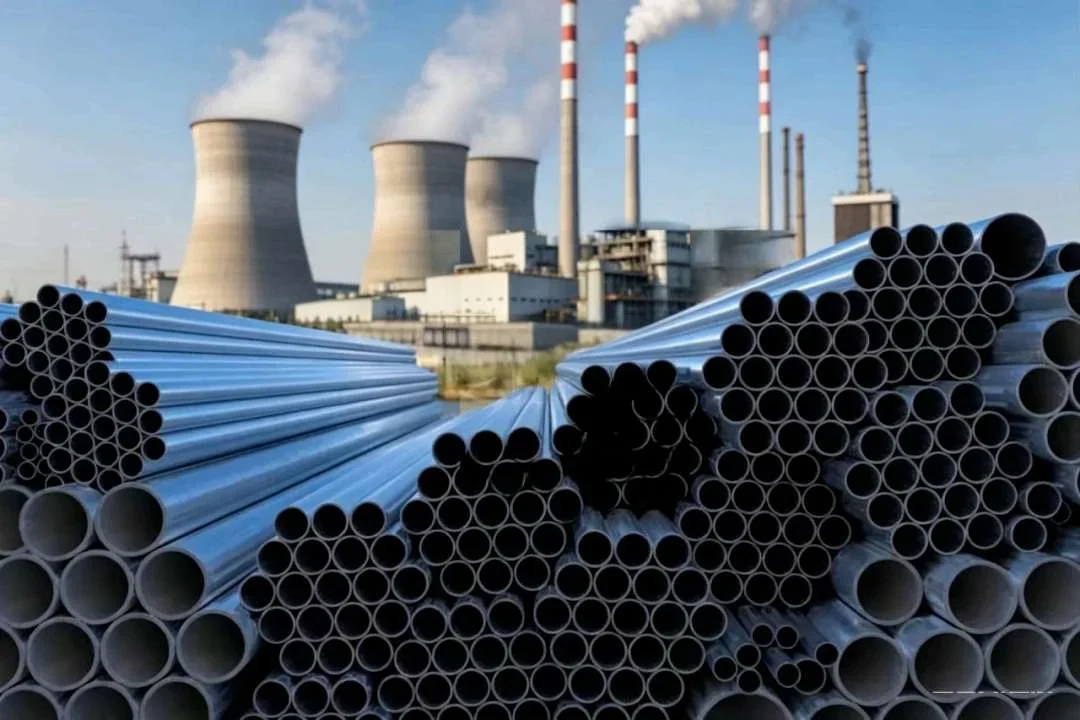
Power systems keep upgrading, and high-temperature, high-pressure and highly corrosive duties ask more of pressure-bearing components. The performance and reliability of stainless steel pipe decide unit safety and project economics, so grade choice and quality control are now core industry questions.
The Duty and the Challenge
In ultra-supercritical units the main steam line sits at about 620 °C and 120 MPa for long periods. High-temperature strength and creep resistance are the first tests the material has to pass, and they set the starting point for wall thickness and grade.
In desulfurization systems and similar corrosive service, acid and sulfur-bearing media keep attacking the pipe. A wrong grade or loose control erodes performance, leaves safety hazards and slows the whole operating rhythm.
Matching Material to Duty
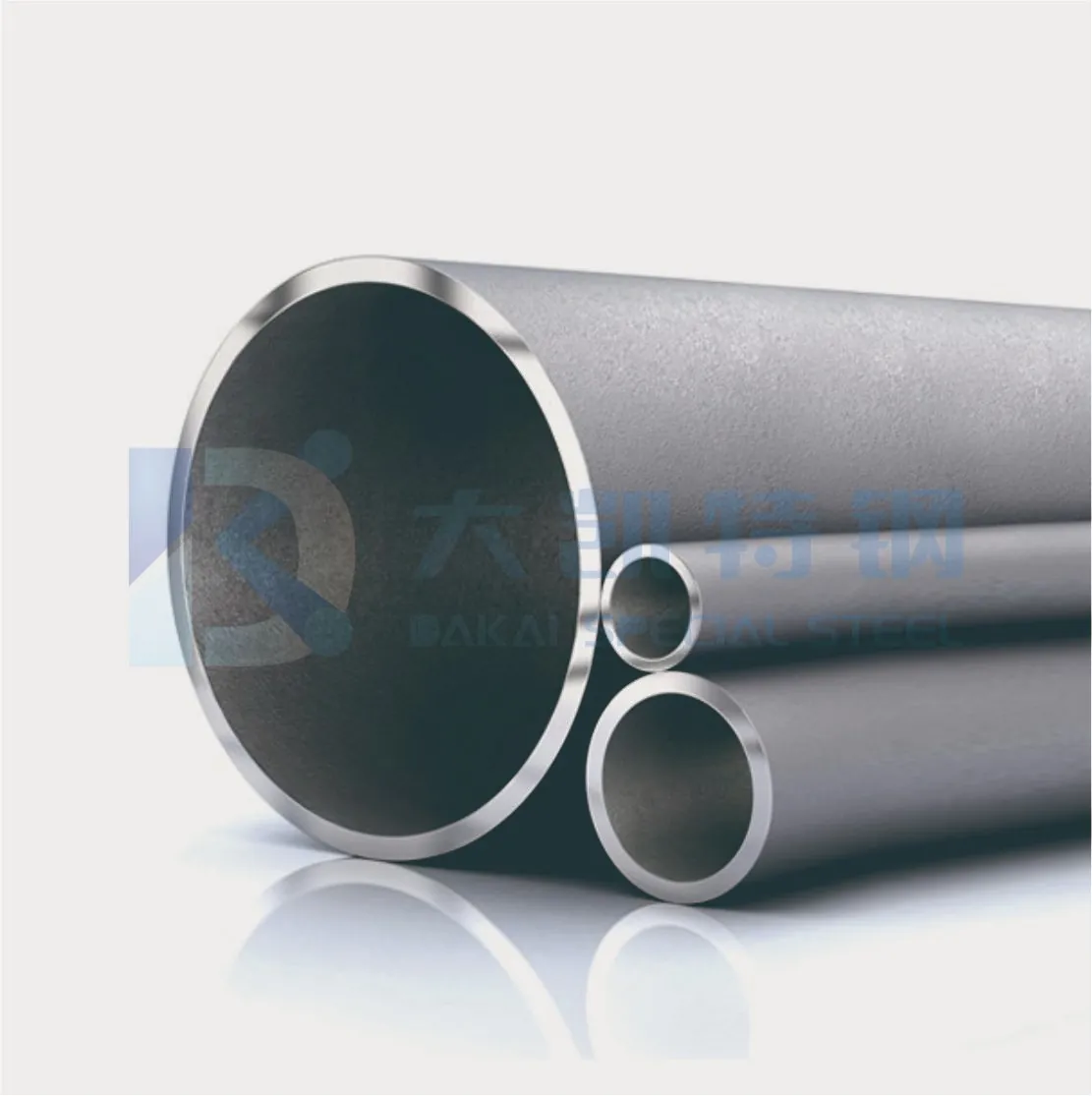
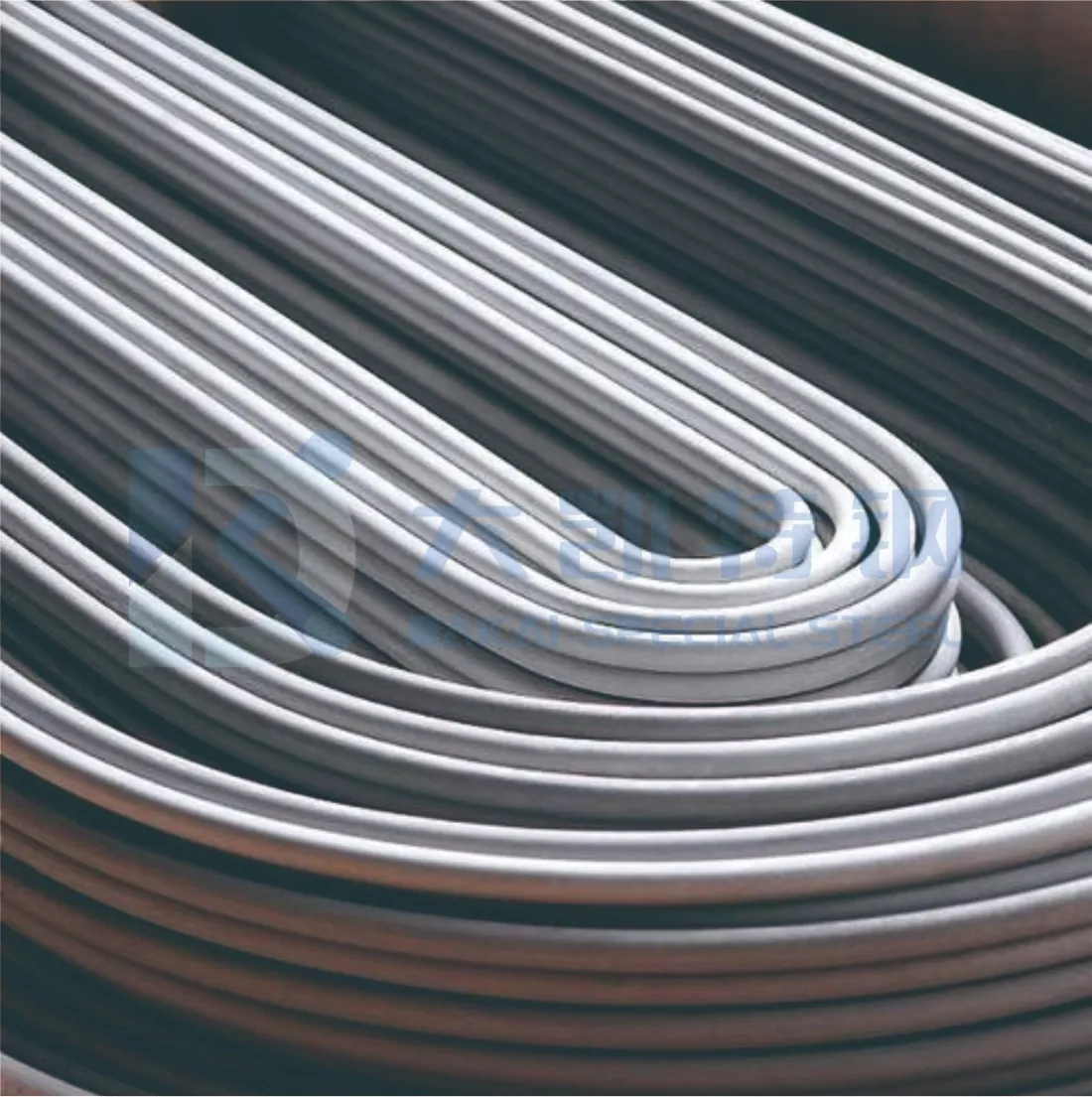
The industry matches material to duty. Hot, high-pressure locations generally use heat-resistant stainless seamless pipe such as Super304H and HR3C, a balance of reliability and cost that is standard on supercritical units.
Corrosive media transport leans toward corrosion-resistant alloy seamless pipe such as 2205 duplex and 317L. They hold high strength with better corrosion resistance, cut leakage risk and give a lower total cost over the life cycle.
Seamless pipe has no weld, so there is no stress concentration or corrosion weak point at a seam. Wall-thickness control and non-destructive testing matter as much: every DAKAI seamless pipe passes 100% eddy current plus ultrasonic inspection to meet power engineering specifications.