Tubo sin soldadura de pared ultrafina: espesor, flete y explotación
El coste de un tubo sin soldadura no es un solo precio: el espesor fijado decide el material, el flete, el izaje y el consumo de bombeo durante años. Dimensione el espesor según el servicio real.
Por Dakai Steel Technical Team
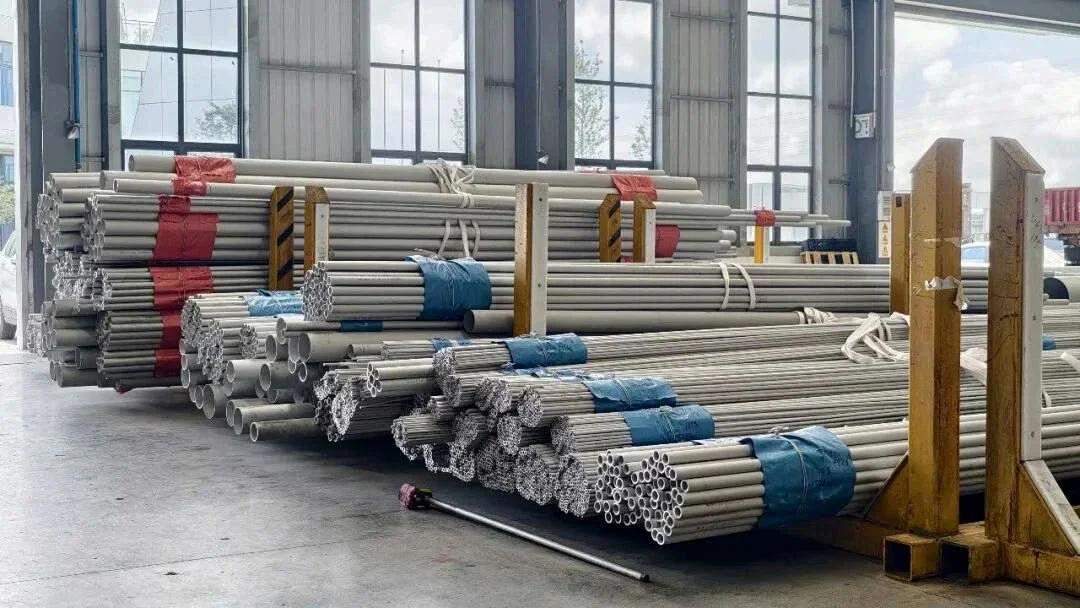
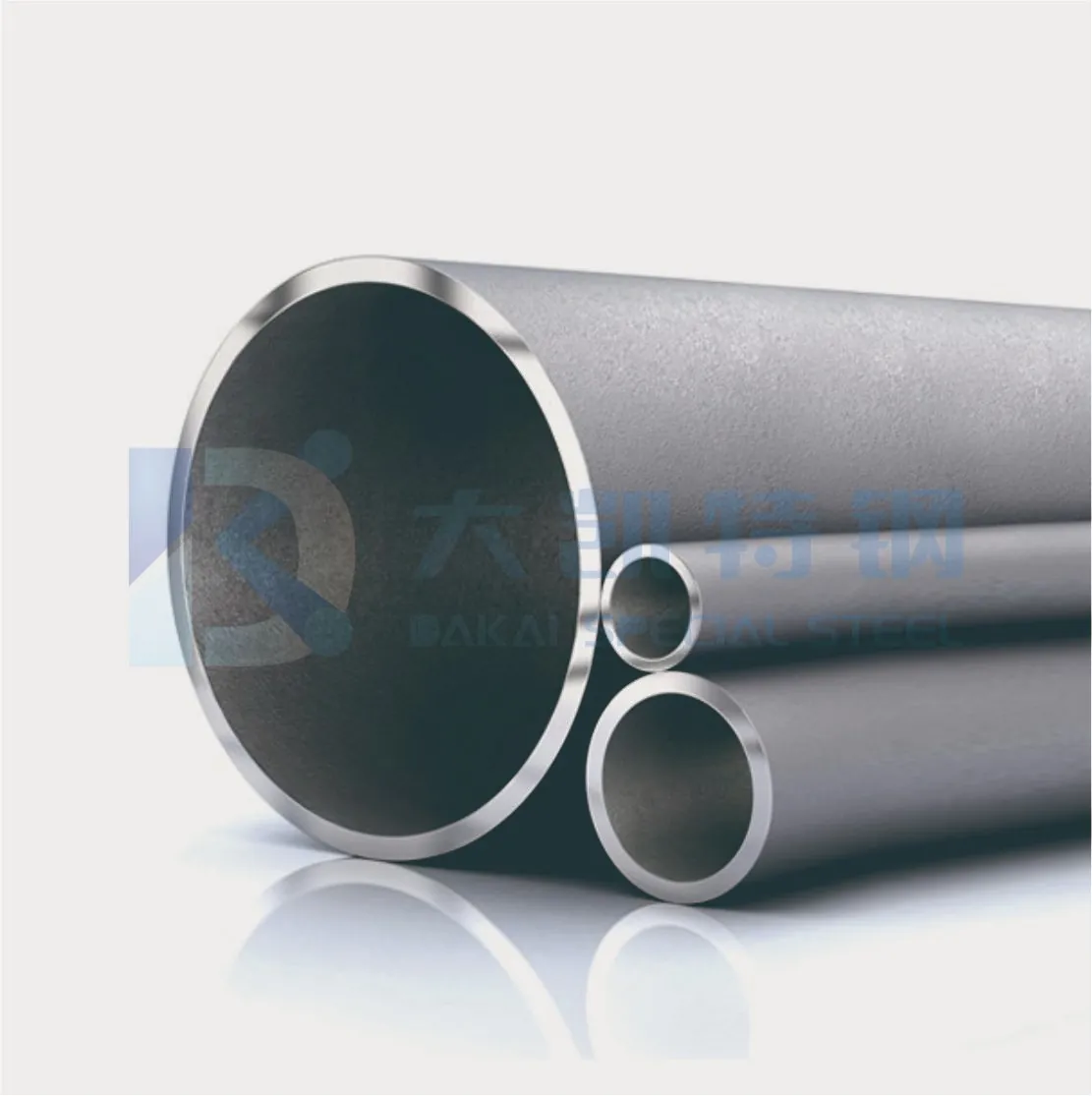
The cost of a seamless steel pipe is not just the purchase price. Raw material markets, production process, purchasing model and logistics all feed into it, and wall thickness is the variable most tightly tied to that cost.
Older rolling accuracy and site inspection were limited, so a heavier wall was the usual safety margin, and the habit stuck. Many projects still copy past specifications without calculating their own duty, adding redundant cost. On precision equipment an over-thick wall also makes welding harder and loads the machine.
Holding a thin wall takes process control: high-purity billet with tight carbon, sulphur and phosphorus limits; grinding before rolling to remove oxide and small defects; multi-pass cold rolling or drawing with controlled reduction and speed to hold wall tolerance and roundness; then solution treatment, straightening, NDT and pickling.
Calculate the wall the duty needs, remove the margin beyond the safety requirement, and material input falls along with the purchase price. Lighter weight per metre cuts freight and lifting cost, and on site the pipe is easier to move and fit, with less welding, shorter schedules and less labour.
At the same outside diameter a thinner wall leaves a larger bore, so flow resistance falls and pumping energy drops over years of service. Even wall thickness and stable material properties make corrosion and wear more consistent, which cuts maintenance work and unplanned shutdowns.
Safety comes first: size the wall from design pressure, temperature and medium corrosivity, verify it against the standard, and never thin it just to cut cost. Thin wall suits low-pressure branches, heat exchanger tubes, clean service and mobile equipment; high-pressure mains and severe corrosion or erosion keep the safety margin.