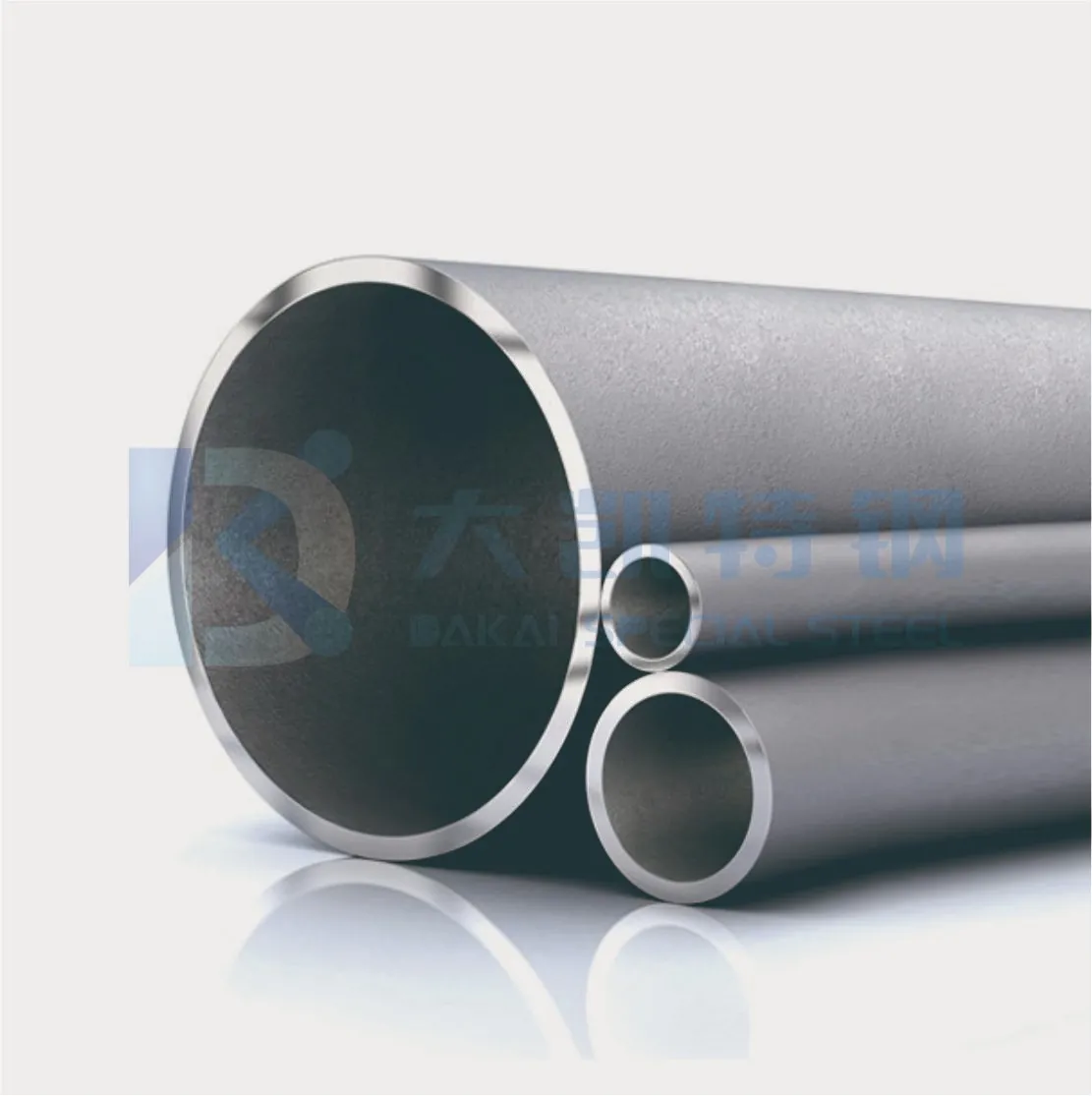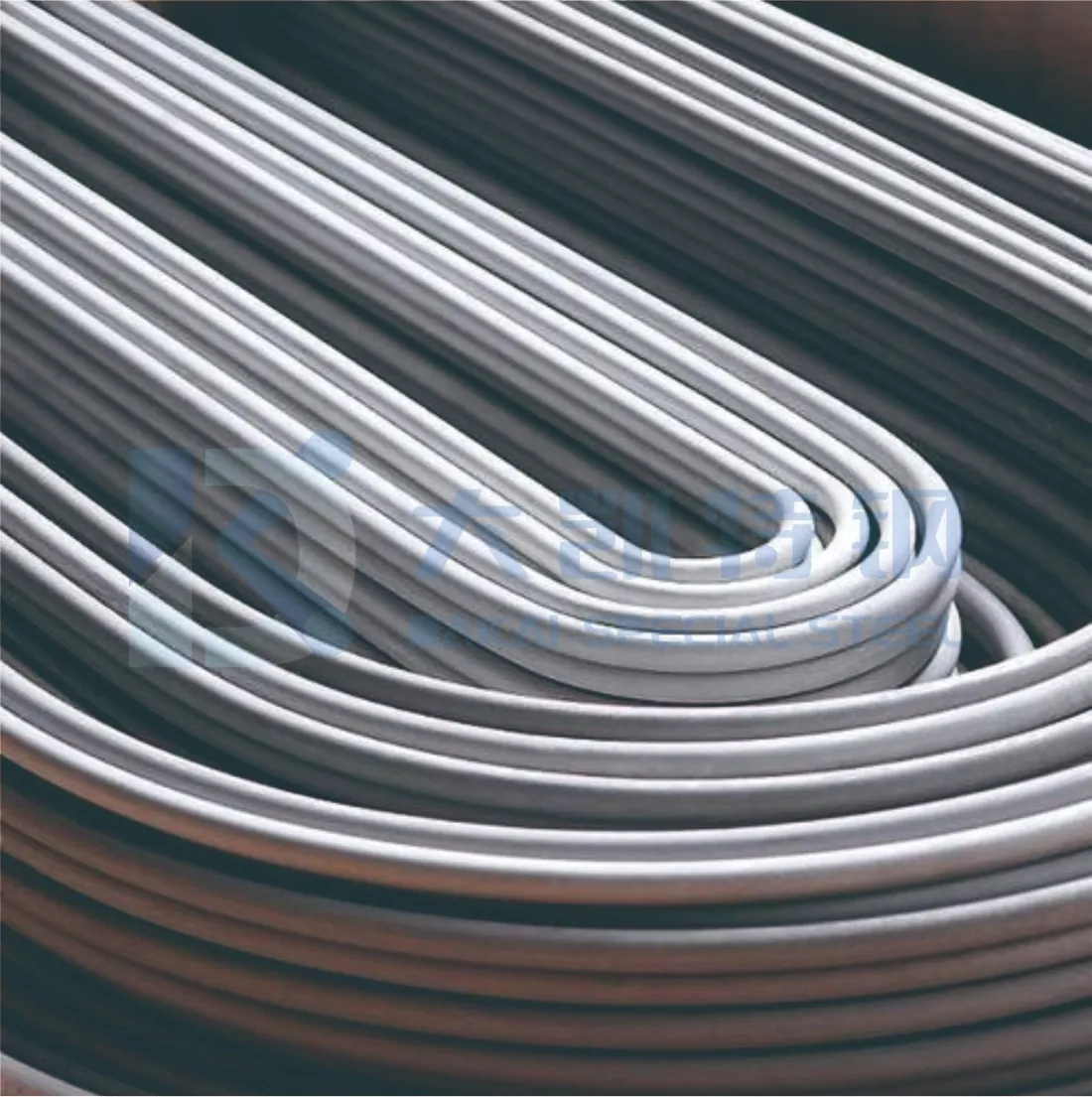
Thin-wall seamless tube: 40–50% weight cut for high-end equipment
Wall thickness is where thin-wall seamless tube earns its keep: 40–50% less weight per metre in aerospace lines, micron-level tolerance in new-energy duty. A selection checklist follows.
By Dakai Steel Technical Team
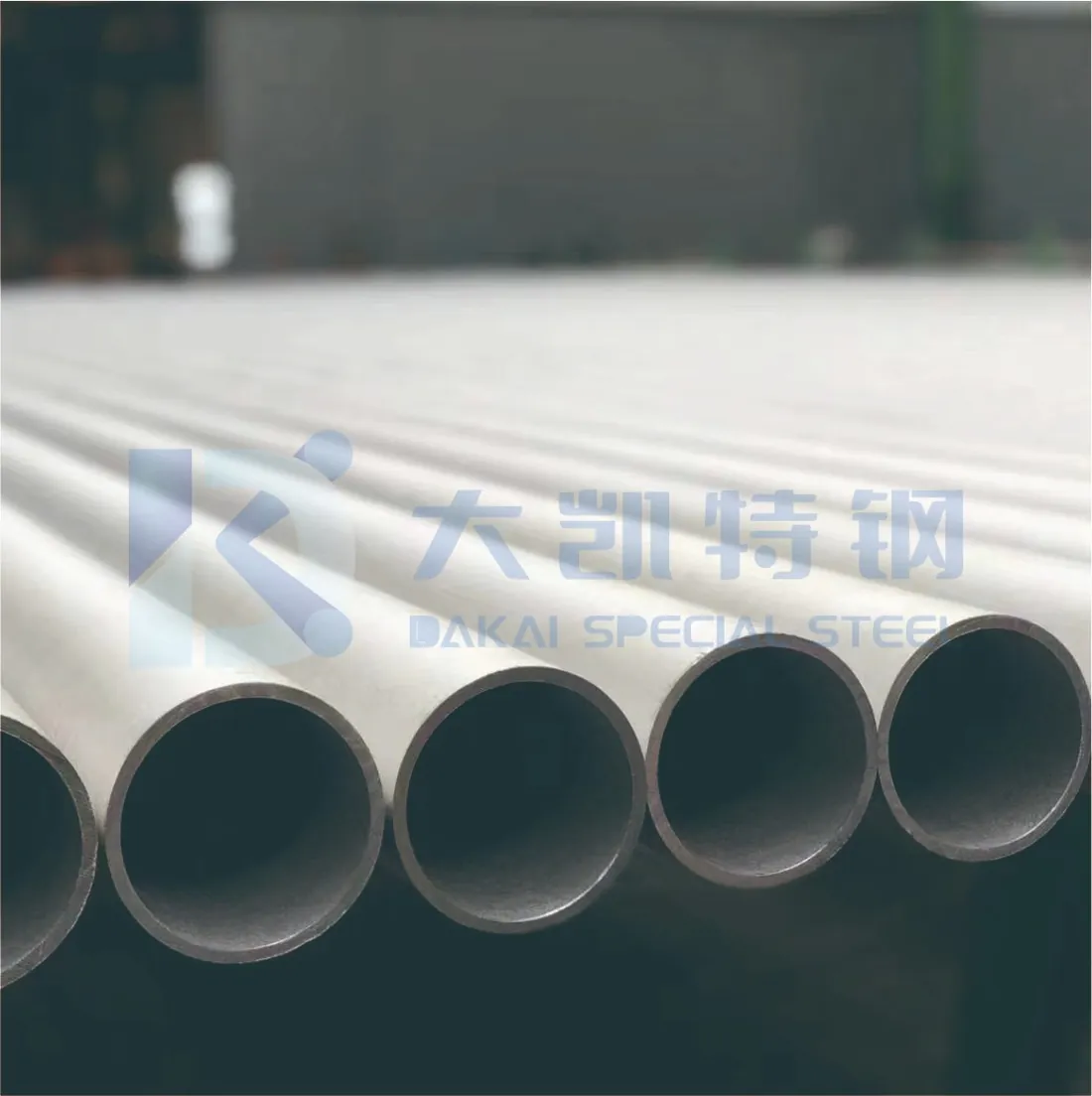
Thin-wall seamless tube pays off in wall thickness: one grade thinner leaves weight margin and structural room. Dakai controls wall uniformity through precision rolling and even heat treatment, applied across aerospace, new-energy and heat-exchange equipment.
In aerospace, line weight feeds payload, range and launch cost. Thinning the wall while still meeting hydraulic and fuel-line pressure standards cuts weight per metre by 40–50%, but wall tolerance and toughness then have to hold at the same time.
New-energy duty pushes tolerance into microns: lithium-battery cooling lines, 70 MPa onboard hydrogen lines and nuclear or CSP heat-exchange assemblies all watch dimensional tolerance, wall uniformity and internal cleanliness.
Heat-exchanger tube serves chemicals, desalination and data-centre cooling. TP316L and 2205 duplex, cold-rolled and internally finished, hold wall at 0.5–1.5 mm; wall thermal resistance drops over 30% against conventional tube and unit efficiency rises over 25%.
Purity and tolerance come first: ultra-clean steel or grades such as 316L and 304L keep sulphur and phosphorus at S≤0.005% and P≤0.025%; outside diameter typically runs ±0.05–0.10 mm to DIN/ISO, and demanding work specifies ±0.03 mm on wall.
Surface comes next: walls free of scratches, pits and scale, judged by Ra. Mechanics should give yield of at least 350 MPa and 30% elongation; process covers cold rolling, solution or ageing treatment, ultrasonic and eddy-current testing, plus ISO, TS and CNAS credentials.