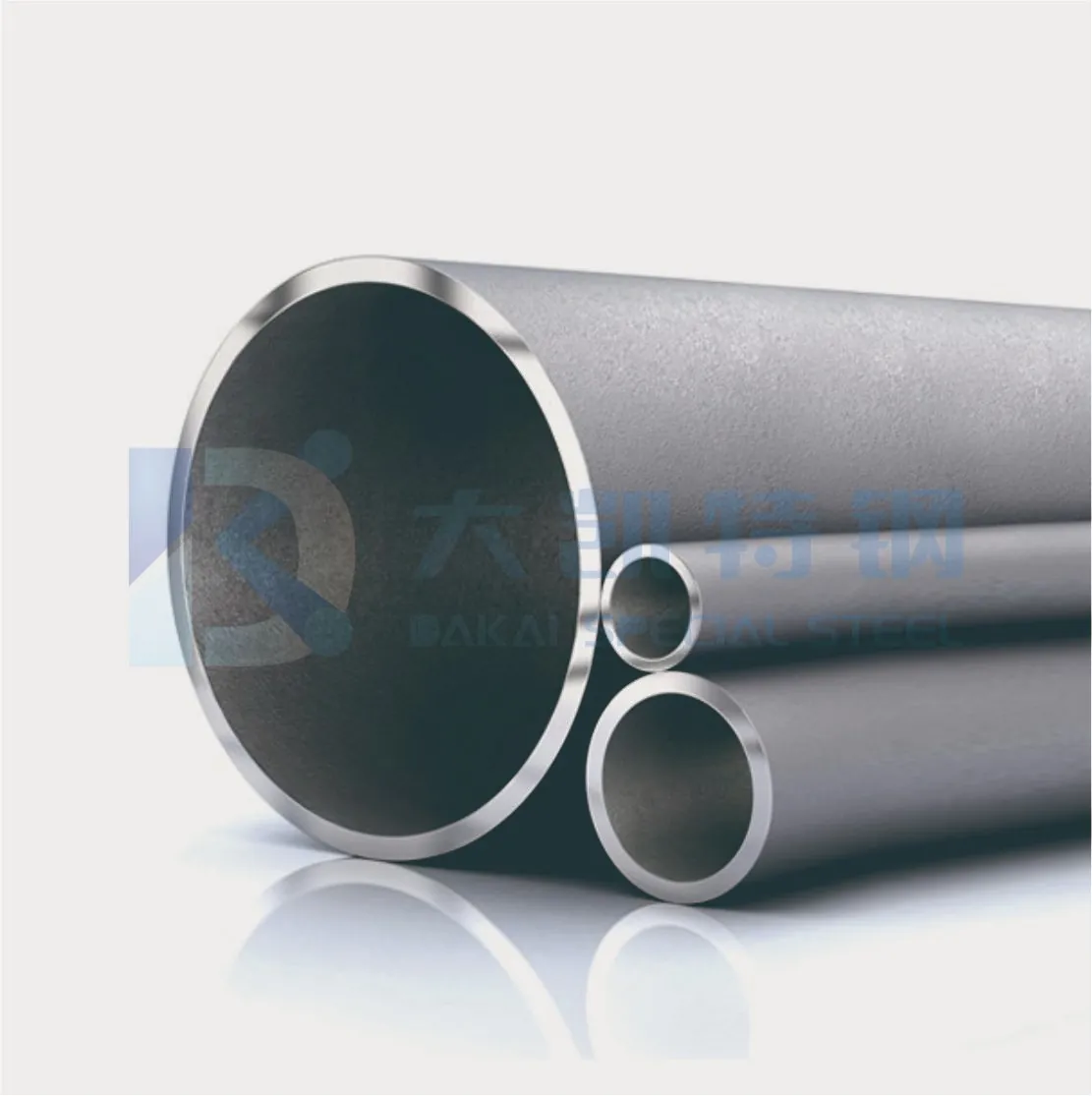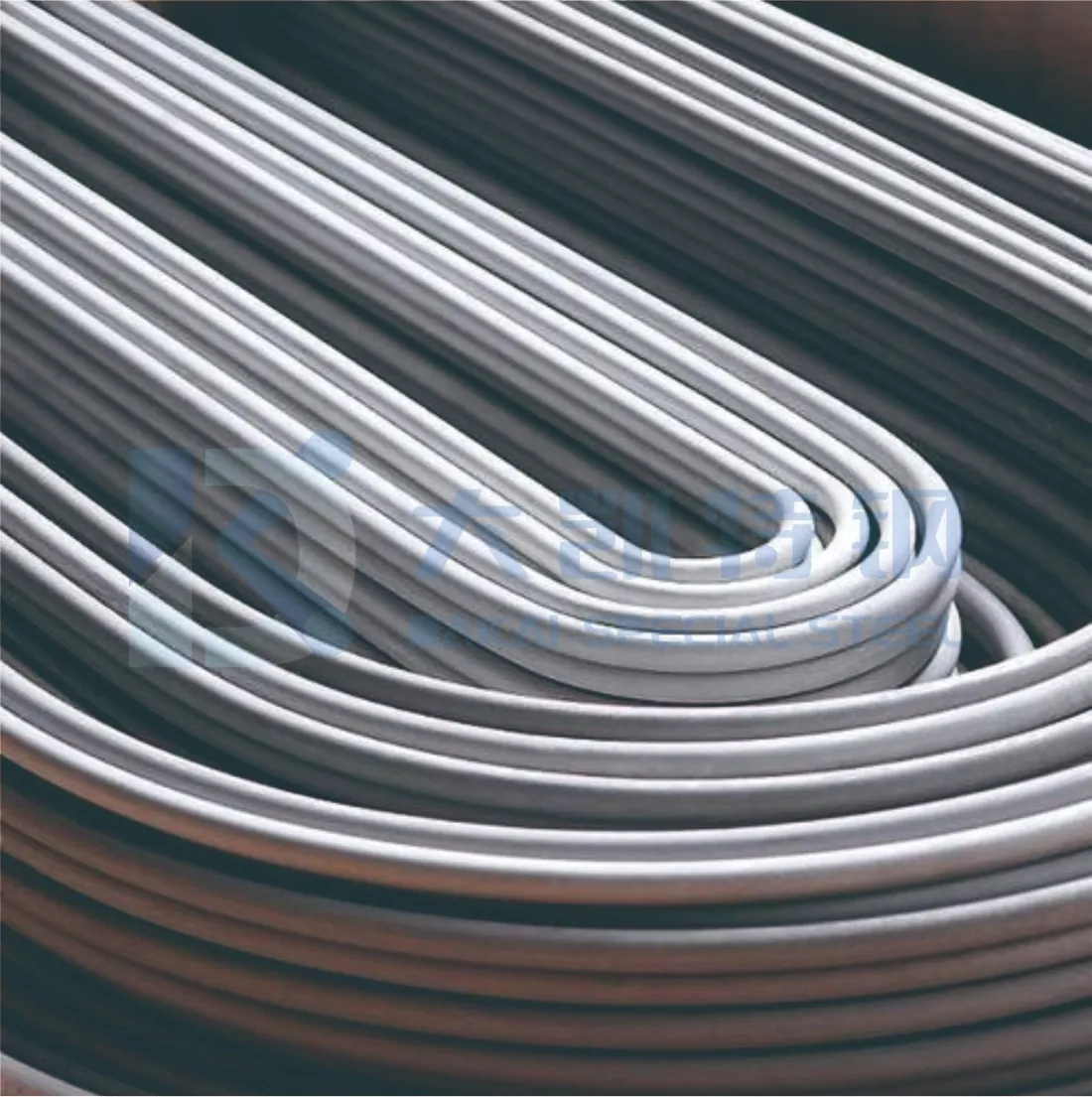
Why precision assemblies specify ultra-thin seamless stainless tube
As cavities shrink to millimetres, tube has to clear three gates at once: wall thickness, tolerance and leak integrity.
By Dakai Steel Technical Team
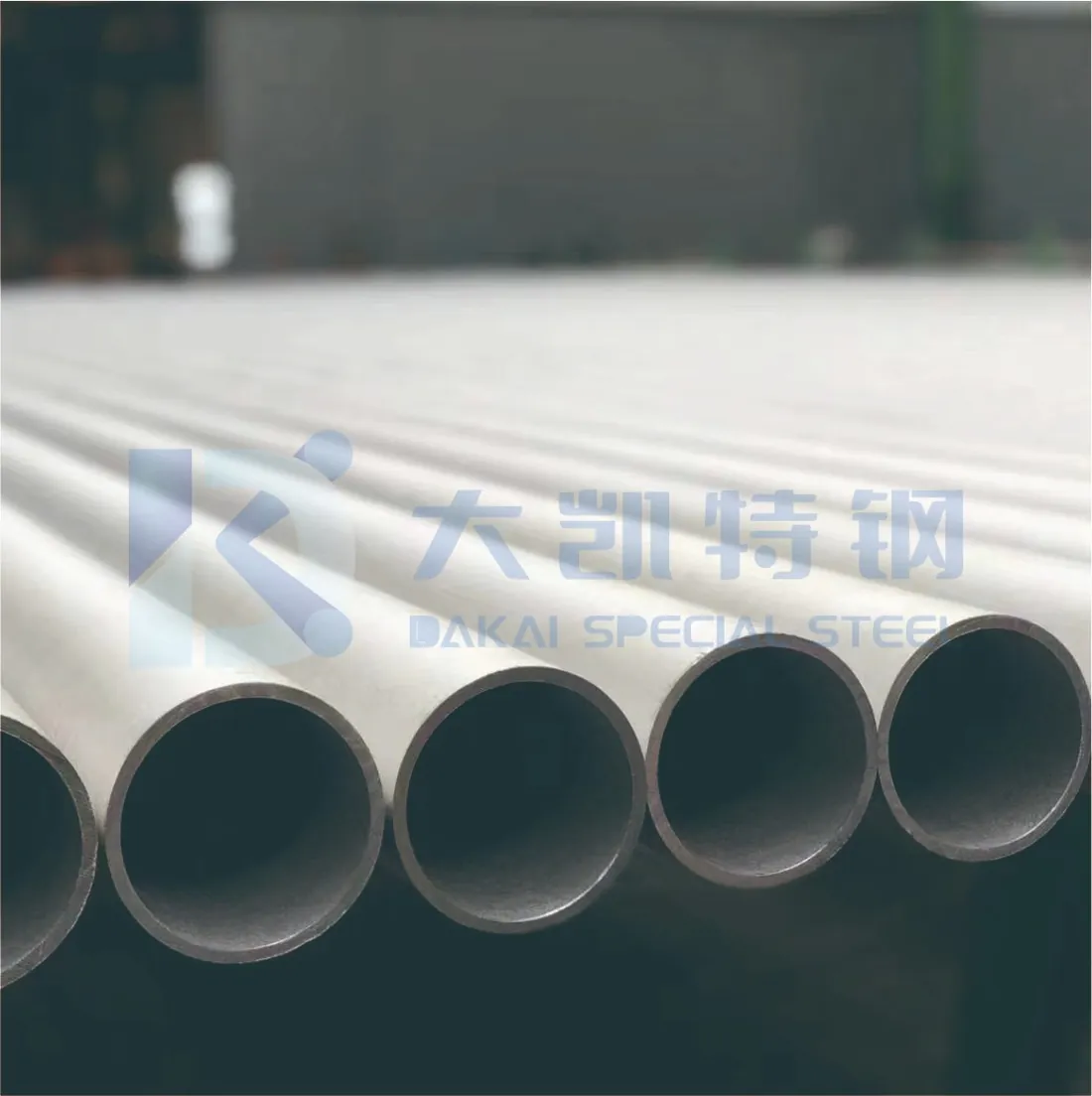
Inside hydraulic modules, medical cavities and automation components, usable space is now measured in millimetres, and the tubing run is where those assemblies most often stall.
Thick-wall tube overruns the envelope: forcing it in does not fit, and machining the wall down costs strength. Thin-wall design cuts wall thickness while holding structural strength, freeing installation room in narrow cavities and micro modules.
In medical fluid handling, precision hydraulics and chemical transfer, even a minute seepage means equipment failure or contaminated media. One-piece seamless forming leaves no weld seam and no joint, removing the leak path structurally.
The base material is 304 or 316L stainless steel with a dense, uniform structure, good pressure resistance and resistance to acids, alkalis and corrosion, which covers medical, chemical, hydraulic and automation duty.
Uneven wall thickness and wide dimensional deviation jam assembly at best and disturb machine accuracy at worst. A CNAS-level centre runs eddy-current plus ultrasonic integrated inspection, direct-reading spectrometry and high-precision gauges, controlling tolerance from raw material to finished tube.
Standard tube rarely covers special sizes or performance, so it is made to order: specification, grade and mechanical parameters set to the duty. From medical instruments to automation components, ultra-thin seamless tube is the invisible base of precision industry.