Por qué se oxida el acero inoxidable: cloruros, contaminación superficial y fallo de la capa pasiva
El acero inoxidable no es inoxidable para siempre: las picaduras por cloruro, la contaminación con acero al carbono y las tensiones del conformado rompen la capa pasiva. El grado y el pasivado deciden su vida útil.
Por Dakai Steel Technical Team
Stainless steel does not mean rust-free. The metal resists corrosion through a very thin, dense chromium-rich oxide film, the passive layer, which keeps moisture, oxygen and corrosive media away from the surface. Light damage heals again when oxygen is present.
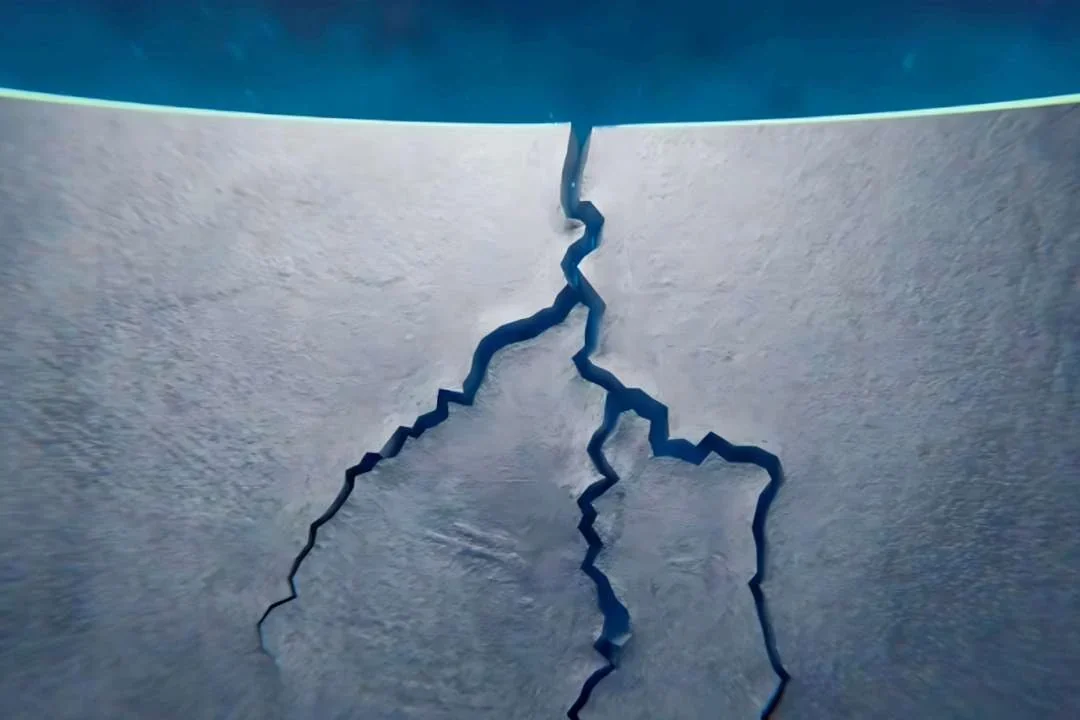
That film is not indestructible. Chloride ions are the most common killer: sea-breeze salt mist, bleach residue, some chemical media. Small and highly penetrating, they pierce weak points in the film and start pitting: a small brown speck on the surface, a deep pit underneath.
Surface contamination comes second. Carbon steel dust or iron filings picked up in processing and transport form galvanic cells with the stainless steel in humid air, so corrosion spreads outward from the contact point. Uncleaned coolant or splashed lime water breaks the film where it sits.
Cold rolling, cold drawing and straightening leave internal stress that can turn into a corrosion site. Solution treatment and annealing restore the structure and relieve that stress; acid pickling and passivation remove free iron, oxide scale and residues so the passive film rebuilds evenly.
Grade choice starts with chromium: at a sufficient level a stable passive film forms. Nickel improves structural stability, molybdenum raises pitting resistance. For coastal service, 316L or duplex costs far less up front than replacing a whole line within two years.
On welded pipe the heat-affected zone sensitises more, so specify 316L, extra-low carbon, to limit carbide precipitation. Clean off debris and marking paint before installation, and keep inspection reports and process records with the delivery for traceability.