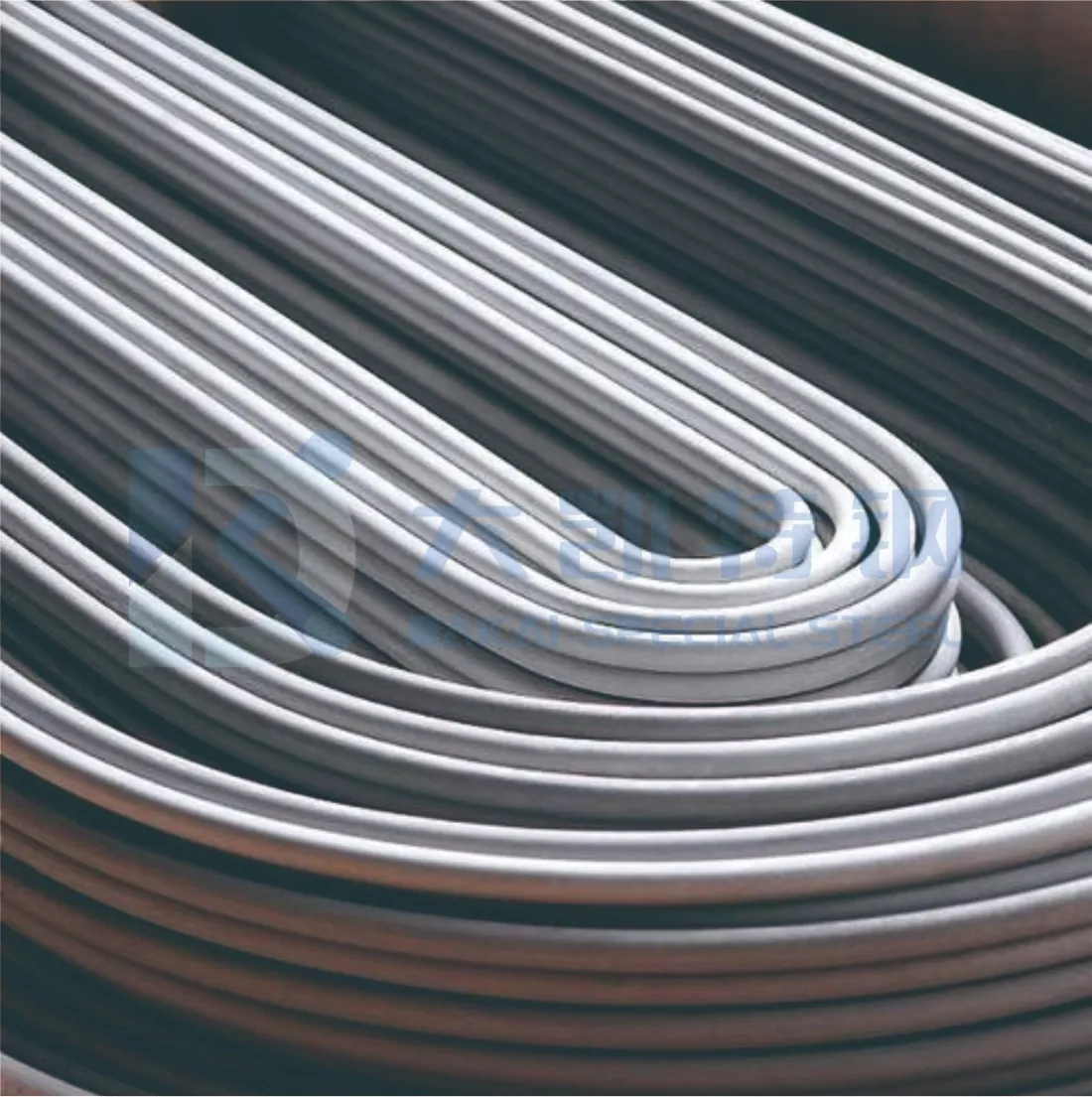
Por qué es difícil el tubo sin soldadura de pared delgada: desviación de espesor, laminado y estirado en frío
Con 1 mm de pared, rigidez, limpieza y margen de inspección se reducen a la vez. Cómo el laminado, el estirado y el enderezado sostienen ±0,75 % en diámetro y 10 % en espesor.
Por Dakai Steel Technical Team
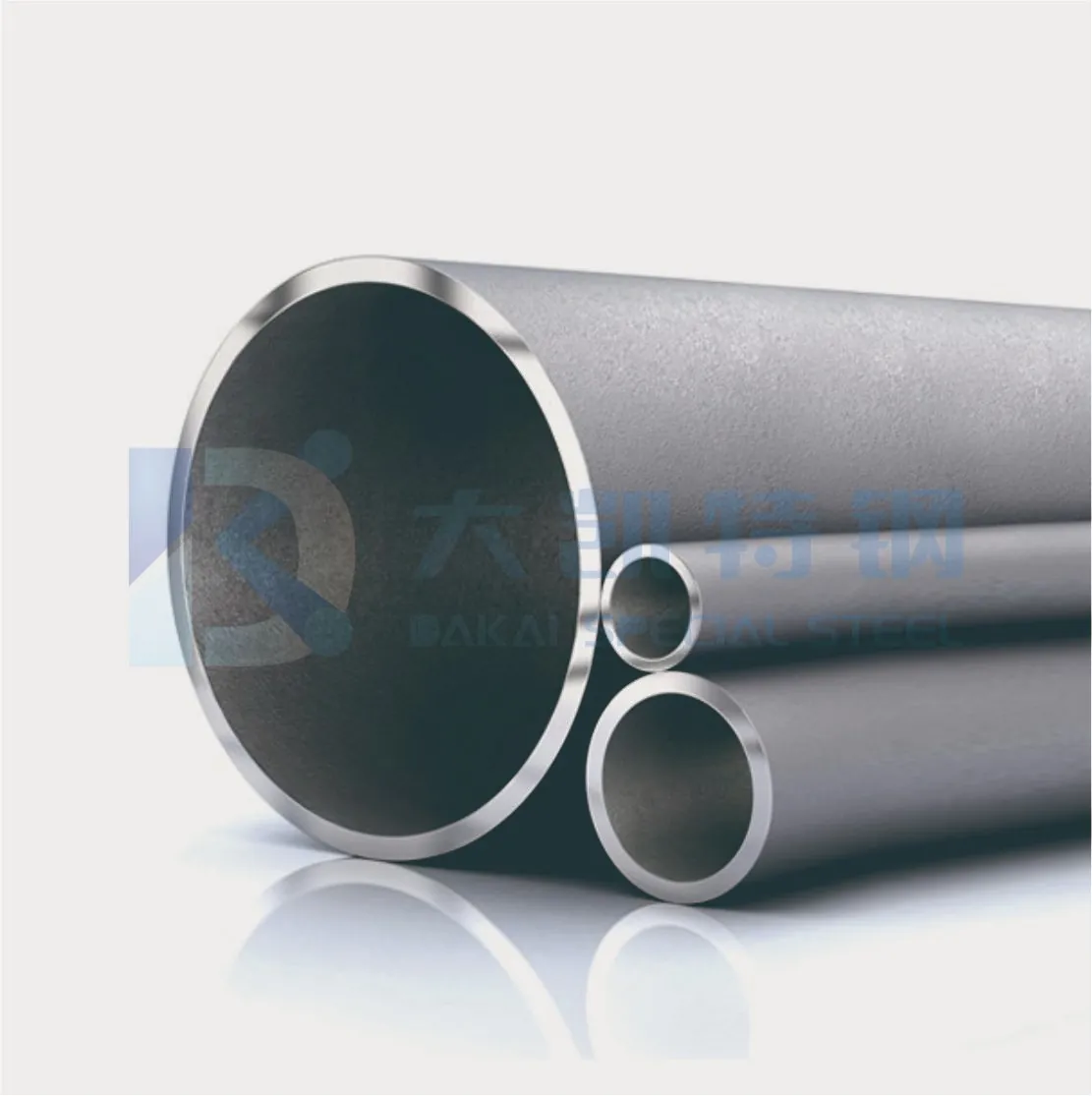
With walls down to 1 mm, thin-wall seamless tube has become a core material for high-end equipment. Each further reduction tests raw material, forming process and inspection at once.
Forming accuracy once stiffness drops
Thinner wall means far less stiffness: cold rolling is prone to flattening, wrinkling and eccentricity, and small drifts in rolling temperature or roll gap turn into uneven wall and oversize. Holding OD deviation within ±0.75% and wall deviation to ≤10% is where conventional routes fail.
Cleanliness: flaws get stretched
Drawing a thin wall magnifies micron-scale inclusions and gas pores in the billet into cracks and pinholes, and the tube is scrapped. The billet must be very clean and structurally uniform.
Straightening and NDT: little margin
A thin wall resists deformation poorly. A slight excess of straightening force dents or twists the tube, so straightness has to be found in a narrow margin. Conventional testing also struggles to resolve fine defects in a thin wall.
Equipment and control across the chain
The mill runs 34 cold-rolling, 7 cold-drawing and 14 straightening units and forms the tube in one seamless piece, OD 6–630 mm, wall 1–50 mm. A joint lab and a CNAS lab cover over 20 checks in chemistry, NDT and dimensions.
What a thin wall buys
Within strength and pressure limits, a thin wall cuts material use, improves heat transfer and simplifies installation and maintenance. It already serves heat exchangers, petrochemicals, power, offshore work, instrumentation and electronics.